



NPD Software

Bring Structure to
New Product Development

Connect product requirements, development activities, and technical information from concept to launch. Give product, R&D, packaging, and quality teams a shared foundation for developing products and assessing readiness.
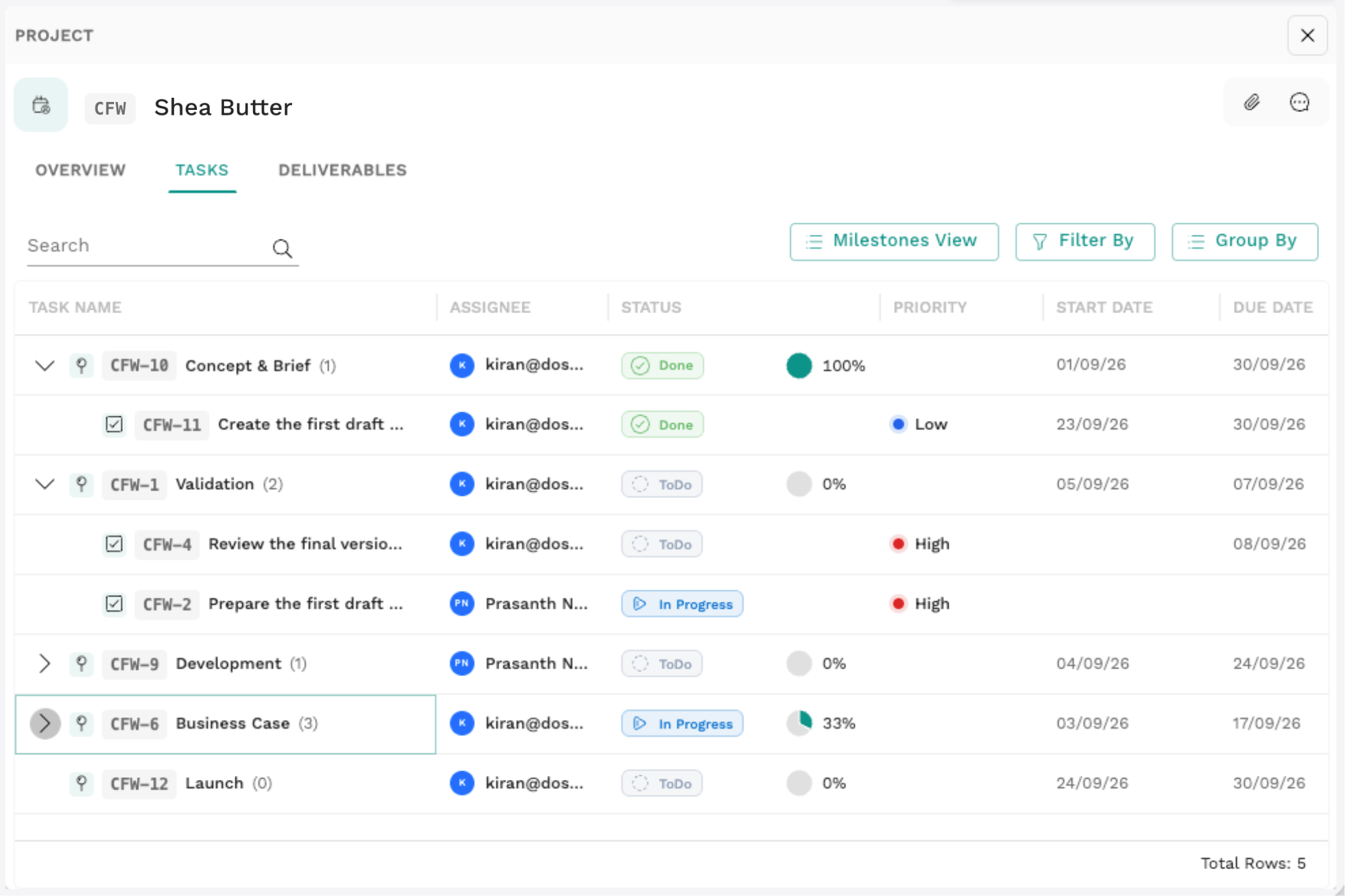
Untitled - 10 September 2026 at 12.41.53-2

Where Does Your NPD Process Break Down?

New product development brings together commercial expectations, technical uncertainty, and contributions from multiple functions. Gaps between these inputs can delay decisions and create avoidable rework.

Untitled - 09 September 2026 at 12.23.15-2

An Evolving Brief

An Evolving Brief

Product requirements change during development, but the implications do not consistently reach every contributing team.
Untitled - 09 September 2026 at 12.23.15-1

Disconnected Development

Disconnected Development

Formulation, packaging, and specification work progress separately, making it difficult to assess the product as a whole.

Untitled - 09 September 2026 at 12.23.15-3

Incomplete Reviews

Incomplete Reviews

Teams spend review meetings finding documents and reconciling versions instead of resolving development questions.

Untitled - 09 September 2026 at 12.23.15-4

Late Discoveries

Late Discoveries

Ingredient constraints, packaging compatibility, or missing evidence emerge when the product is already expected to be ready.

Untitled - 09 September 2026 at 12.23.15-5

Lost Knowledge

Lost Knowledge

Earlier trials and product decisions are difficult to recover, leading teams to repeat work.

Establish a Shared Basis for Development

A consistent NPD process gives teams clarity on what they are developing, what each stage must produce, and what information is needed to move forward.


Untitled - 09 September 2026 at 12.23.15-6

Define the Brief

Establish the intended product, target attributes, commercial boundaries, and market requirements. Keep the brief accessible as technical development progresses.

Untitled - 09 September 2026 at 12.23.15-7

Structure the Work

Organize the initiative into development stages with identifiable deliverables. Bring technical product work into the same project context as the activities needed to complete it.


Untitled - 09 September 2026 at 12.23.15-8

Connect Team Contributions

Bring together the formulations, material specifications, finished-product specifications, packaging, and documents contributed by different teams.

Untitled - 09 September 2026 at 12.23.15-9

Review the Evidence

Assess development outcomes against the brief using the relevant product versions and supporting records. Identify unresolved questions before committing further work.
How Plevenn Supports the NPD Lifecycle

Each phase produces information that the next phase depends on. Plevenn helps teams carry that information through development.

NPD Flow-1-2
NPD Flow-2-2
NPD Flow-3-2
NPD Flow-4-2
NPD Flow-5-2

NPD Flow-1-2

Concept & Brief

What are we developing, for whom, and against which requirements?

Organize the development project, brief, initial specifications, and supporting documents.

NPD Flow-2-2

Business Case

Can the proposed product meet its technical and commercial requirements?

Develop preliminary formulations, review material information and capture supporting assessments.

NPD Flow-3-2

Development

How will the product be formulated, specified, and packaged?

Develop formula versions, material and product specifications, packaging information, and process instructions.

NPD Flow-4-2

Validation

What have trials established, and what remains unresolved?

Prepare scaled trial batch sheets and organize findings, reports, and revised product information.

NPD Flow-5-2

Launch

Is the agreed product information ready for handover?

Bring the relevant formulas, specifications, packaging, and supporting documentation together for the receiving teams.

Why Choose Plevenn PLM ?

Centralized Data Management

All product information is accessible in one place, reducing errors and rework.

Enhanced Collaboration

Teams across locations and functions work together in real time.

Scalability and Flexibility

Easily adapt to changing business needs without infrastructure constraints.

Cost Efficiency
Cost Efficiency

Eliminates the need for on-premises hardware, reducing IT and operational costs.

Security and Compliance
Improved Security and Compliance

Strong encryption and access controls ensure data protection and regulatory alignment.

Faster Time-to-Market

Streamlined workflows and real-time visibility accelerate product launches.

Keep Teams Working from the
Same Product Definition

Every function contributes a different part of the product. Their work must stay connected as development evolves.


Product Portfolio

Product Teams

Maintain the development brief and intended product requirements. Bring commercial expectations and customer inputs into the development discussion.

research and development

R&D Teams

Develop formulations, prepare trials and refine technical specifications. Carry findings forward as the product evolves.

Packaging & Labeling - Product variant

Packaging Teams

Develop packaging specifications alongside the evolving product. Keep packaging requirements and supporting assessments accessible to the wider team.

quality and assurance

Quality & Regulatory

Review relevant specifications and supporting documentation against applicable requirements. Identify the evidence and outstanding questions that need attention.

Cross-Functional Coordination

Operations Teams

Access the product specifications and preparation instructions needed for handover. Bring operational questions into development reviews.

Make Product Readiness Part of Every Review

Uncertainty is part of NPD. The development process needs to make that uncertainty visible and help teams determine what evidence is needed to resolve it.
 
Use each review to confirm whether the product meets expectations for its current stage, what risks remain open, and what work is needed next.
Review area Questions to resolve Information to bring into the review
Requirements Does the current product definition reflect the agreed brief? Which requirements have changed? The development brief, target attributes, and current product specifications.
Technical Feasibility Can the proposed formulation achieve the intended performance? Which assumptions still need testing? The formulation version being evaluated, relevant material specifications, and trial findings.
Commercial Fit Can the product meet the commercial boundaries set in the brief? How do proposed changes affect those boundaries? Target cost, ingredient choices, packaging requirements, and supporting commercial assessments.
Material Suitability Do the selected materials meet the product requirements? What needs to be evaluated if a material changes? Material specifications, supplier documentation and proposed alternatives in the formulation context.
Claims Support Does the available evidence support the intended positioning? What further substantiation is needed? Proposed claims, supporting documentation and questions for specialist assessment.
Packaging Compatibility Will the product and packaging work together as intended? What compatibility or dispensing questions remain? Packaging specifications, relevant product attributes and compatibility findings.
Validation What do the trials and test reports establish? What further development or testing is required? Trial findings, test reports and the associated product information.
Handover Readiness Are the required records complete and at the appropriate status? What remains outstanding? The selected formulas, specifications, packaging records, instructions and supporting documentation.

Connected Capabilities for Product Development

Support the NPD process with the capabilities needed to develop and maintain the product itself.

Projects

Projects

Organize development stages and bring the brief, product records, and supporting deliverables into a shared project.

Product family

Product Portfolio

Create a structured and comprehensive product portfolio that helps with decision-making and strategic planning.

Product specification

Specifications

Manage required product data and all associated components, including ingredients, materials, packaging, and co-products.

Formulation

Formulation

Organize development stages and bring the brief, product records, and supporting deliverables into a shared project.

Packaging Icon

Packaging

Define, manage, and version all your packaging in a single, centralized platform, Control every layer of your packaging from bottle to pallet

Document Management

Document Management

Organize development documents, maintain file versions and make supporting information accessible to the team.

FAQs

How does NPD relate to product lifecycle management?

NPD covers bringing a new or improved product from an initial brief to launch. Product lifecycle management provides the information foundation for that work and for subsequent product changes. In Plevenn, development projects bring together product records such as formulations, specifications, packaging and supporting documents.

Does every initiative need the same development process?

Not necessarily. The scope of development and validation should reflect the nature of the initiative. A new product formulation may require substantial feasibility work and trials. A line extension may reuse an established base while focusing on the consequences of specific changes. Define the work and evidence required for the initiative's scope.

Does product development always follow a linear sequence?

Development often returns to earlier questions. A trial finding may require a formulation revision; a packaging assessment may change the intended format. Stages provide an overall structure, while versions and supporting records help teams preserve each iteration's context.

Can teams start from existing formulations and specifications?

Yes. Existing product formulations and specifications provide a starting point for related development work. Teams can adapt established product information and maintain revisions as they address new requirements.

What should an NPD software demonstration cover?

Follow a representative development initiative: establish the brief, organize the project, develop a formulation, prepare a trial batch, maintain specifications, and bring the product information together for review. This shows how the software supports the work your teams actually perform.

Take the next step

Stop managing fragmented data. Start building high-quality formulas in one connected platform.